
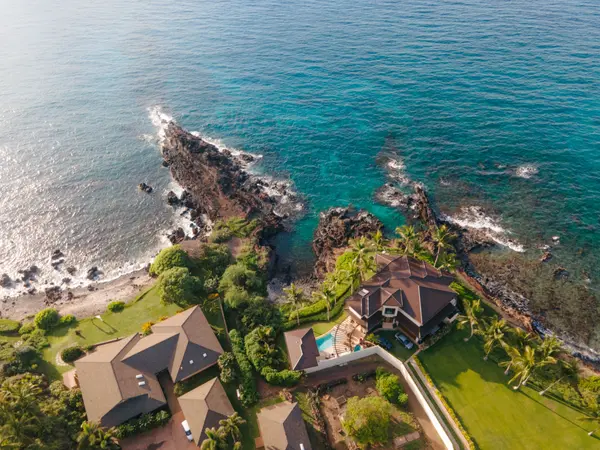
Retiring in Florida West Coast: Is It the Right Move?
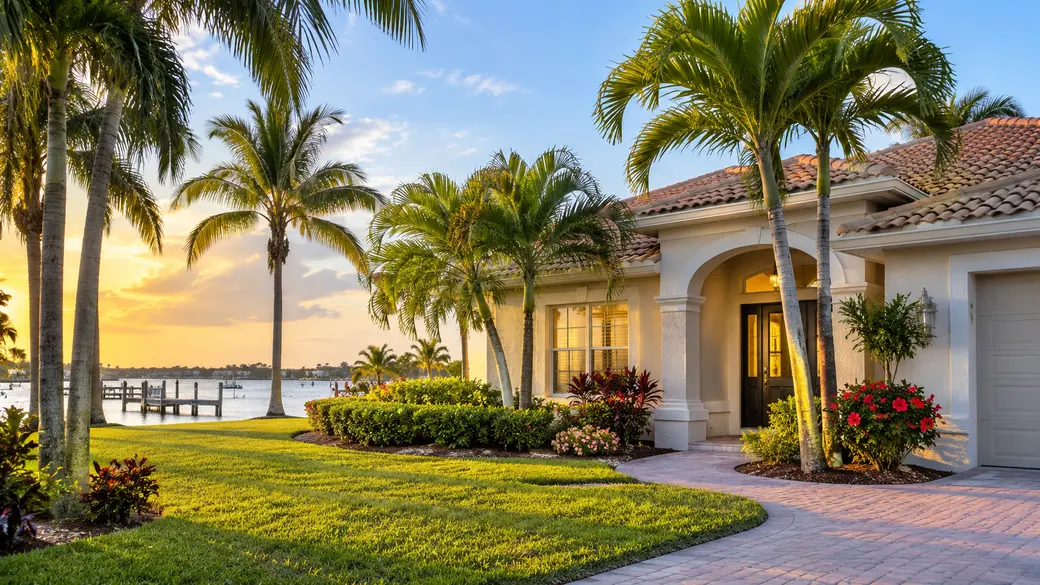
Retiring on Florida's West Coast can be a rewarding choice for people who value warm winters, coastal recreation, and Florida's favorable retirement-income tax treatment. However, retiring in Florida's West Coast communities also requires careful planning for summer heat, hurricane preparedness, homeowners insurance, healthcare access, and local housing costs. From Sarasota and Lakewood Ranch to Bradenton, Parrish, and Venice, each community offers a different lifestyle and financial considerations. This guide explores the advantages, expenses, and practical realities of Florida Gulf Coast retirement to help you determine whether the move aligns with your long-term goals.
Florida West Coast Retirement at a Glance
Florida West Coast retirement offers a combination of outdoor recreation, established residential communities, and potential state income-tax advantages. However, retirement affordability and everyday convenience depend on where you choose to live, your housing preferences, and your anticipated healthcare and insurance expenses.
- Housing reference: Florida's median owner-occupied home value was $359,000 during the 2020-2024 Census period. This is a statewide benchmark rather than a current Gulf Coast median sale price.
- Retirement income tax: As of 2026, Florida does not impose a state personal income tax on Social Security benefits, pensions, or retirement-account withdrawals.
- Healthcare access: Established hospital systems, outpatient facilities, and medical providers serve major Gulf Coast communities, although access to specific specialists varies by location.
- Climate: Mild winters, hot and humid summers, seasonal thunderstorms, and hurricane-season preparation requirements.
- Lifestyle draw: Gulf beaches, waterfront parks, golf courses, recreational trails, cultural attractions, and community activities support a variety of retirement lifestyles.
Florida West Coast by the Numbers
Understanding Florida's statewide housing and tax figures provides a useful starting point for retirement planning. These numbers offer general context rather than a direct comparison of individual communities in Sarasota and Manatee counties.
- Median owner-occupied home value: $359,000, Florida statewide, 2020-2024 U.S. Census Bureau estimates.
- Median gross rent: $1,669 per month, Florida statewide, 2020-2024 U.S. Census Bureau estimates.
- Property taxes: Florida does not impose a state property tax, but counties, municipalities, school districts, and other local taxing authorities establish property-tax rates.
- Retirement-income tax: Florida has no state personal income tax on Social Security benefits, pensions, or traditional retirement-account withdrawals as of 2026.
For updated housing and demographic information, review the U.S. Census Bureau's Florida QuickFacts. Property prices and monthly ownership expenses should always be evaluated using current, location-specific information.
Why Retirees Choose Florida West Coast
Retiring on Florida's West Coast appeals to people seeking a warm-weather lifestyle with access to beaches, recreational opportunities, and a variety of residential communities. From waterfront condominiums to active-adult neighborhoods and quieter inland homes, retirees can select housing that better suits their maintenance preferences, social interests, and retirement budgets.
Daily activities can include beach walks, fishing, golfing, cycling, farmers markets, volunteering, or attending local cultural performances. Rather than depending exclusively on private community amenities, residents can explore numerous public spaces and recreational opportunities throughout the region.
Florida also has an established retirement population, contributing to the availability of community organizations, senior programming, social clubs, healthcare services, and activities designed for residents with flexible schedules. However, the convenience of these services depends on the specific community.
Public waterfront spaces are another important attraction. Sarasota's cultural district, Bradenton Riverwalk, and nearby Gulf Coast beaches offer opportunities for walking, dining, outdoor gatherings, and recreational activities. Access to these destinations can vary considerably depending on traffic patterns and residential location.
Housing options include condominiums, villas, townhomes, detached homes, and active-adult communities. The right choice depends on factors such as maintenance responsibilities, association requirements, healthcare access, and proximity to everyday services.
Before deciding whether Florida Gulf Coast retirement is right for you, consider watching Nicholas Rapisardi's video, Do Not Retire On Florida's West Coast Without Knowing This. It offers additional local perspective for retirees researching the pros and cons of retiring on Florida's West Coast, Sarasota retirement living, and important considerations before relocating to the Gulf Coast.
Cost of Living in Florida West Coast
Understanding the cost of living on Florida's West Coast is essential when planning retirement, especially for households relying on pensions, Social Security, investments, or other fixed income sources. While Florida offers state income-tax advantages, ongoing housing expenses can significantly affect overall retirement affordability.
According to the U.S. Census Bureau's 2020-2024 estimates, Florida's median gross rent was $1,669 per month, while the median owner-occupied home value was $359,000. These statewide figures should not be treated as current 2026 home prices or rental rates for individual Gulf Coast communities.
Housing is typically one of the largest retirement expenses. Homeowners should account for property taxes, homeowners insurance, potential windstorm and flood insurance, HOA or condominium dues, utilities, maintenance, and reserves for future repairs. For condominium buyers, association financial statements, reserve requirements, inspection obligations, and potential special assessments deserve particular attention.
Groceries and everyday necessities are available through established supermarkets, warehouse retailers, specialty markets, and neighborhood businesses. Actual household expenses depend on shopping habits, dining preferences, and the frequency of travel or entertainment activities.
Transportation is another important consideration. Although some downtown and waterfront communities provide pedestrian-friendly access to restaurants and recreational spaces, many suburban and coastal areas require regular driving. Fuel, vehicle insurance, maintenance, and transportation to medical appointments can influence retirement spending.
Healthcare should also be included in the household budget. Medicare premiums, supplemental coverage, prescriptions, specialist appointments, and out-of-pocket expenses may affect financial planning differently depending on individual healthcare needs.
Cost of Living: Florida West Coast vs Nearby Areas
Living expenses throughout Florida's West Coast vary by neighborhood, proximity to the waterfront, housing type, insurance exposure, and availability of community amenities. The comparison below uses statewide and national Census figures as general reference points rather than assuming the entire Gulf Coast has one consistent cost of living.
| Area | Overall cost pattern | Median owner-occupied home value | Median gross rent | Property-tax structure |
|---|---|---|---|---|
| Florida West Coast | Varies by coastal location, housing type, insurance exposure, and local services | Varies by community | Varies by community | Locally assessed, with exemptions for qualifying homeowners |
| Florida statewide | Broad statewide benchmark | $359,000 (2020-2024 Census) | $1,669 (2020-2024 Census) | Local millage rates apply |
| United States | National comparison point | $332,700 (2020-2024 Census) | $1,413 (2020-2024 Census) | Varies by state and locality |
The Florida and national figures reflect U.S. Census Bureau 2020-2024 estimates, allowing a consistent comparison period. Median owner-occupied home value measures the estimated value of occupied owner-owned housing rather than current listing or closing prices. Median gross rent includes contract rent and estimated utilities where applicable. These figures are available through the U.S. Census Bureau's Florida and United States comparison.
For retirees considering Sarasota, Lakewood Ranch, Parrish, or Venice, the most useful comparison is often the total monthly expense of individual properties. Property taxes, insurance premiums, association fees, maintenance requirements, and distance to healthcare facilities may influence affordability more than a broad statewide average.
Retirement Income & Taxes in Florida West Coast
As of 2026, Florida's absence of a state personal income tax remains one of its most notable financial considerations for retirees. Florida does not impose state income taxes on Social Security benefits, pensions, or withdrawals from traditional IRAs and 401(k) retirement accounts. However, federal income-tax obligations may still apply depending on household income, filing status, account type, and other circumstances.
Florida property taxes are assessed and collected locally. Counties, municipalities, school districts, and special districts establish applicable millage rates. A property's taxable value, available exemptions, and assessment limitations influence the final tax bill.
For the 2026 tax year, an eligible Florida homestead may receive up to $51,411 in combined standard homestead exemptions. The first $25,000 applies to qualifying property taxes, while an additional inflation-adjusted exemption of up to $26,411 may apply to non-school taxes on assessed value above $50,000. Actual benefits depend on ownership, permanent residency, assessed value, and eligibility requirements.
Additional exemptions may be available to qualifying homeowners age 65 or older in certain counties or municipalities. For 2026, Florida's income threshold for the income-tested senior homestead exemption is $38,686 in household adjusted gross income. Local adoption, age, residency, and other eligibility rules determine whether a homeowner qualifies. Review the Florida Department of Revenue's senior homestead exemption guidance for the applicable framework.
Florida voters approved changes to homestead exemptions in November 2026 that are scheduled to begin with the 2027 tax roll. Retirees purchasing property for future occupancy should confirm how the new rules apply to their residency history and eligibility rather than assuming 2026 exemption amounts will remain unchanged. Under Amendment 3, which passed with 62% of the vote, the non-school homestead exemption rises to $150,000 in 2027 and $250,000 in 2028. Buyers who weren't Florida residents on December 31, 2026 start with the current exemption and phase into the larger one in a later year, so confirm the timing with the county property appraiser. The larger exemption applies to non-school taxes only. School taxes keep the current exemption.
Florida does not impose a state inheritance tax, and its estate tax does not apply to estates of individuals who died after December 31, 2004. Federal estate-tax requirements and individual estate-planning considerations may still be relevant, particularly for households with substantial assets or property in multiple states.
Tax Snapshot for Retirees
- State income tax: Florida does not impose state personal income tax on Social Security benefits, pensions, or traditional retirement-account withdrawals as of 2026.
- Homestead exemption: Qualifying permanent residents may receive up to $51,411 in combined standard homestead exemptions for 2026, subject to applicable assessed-value and eligibility requirements.
- Senior exemption: Certain local governments offer additional property-tax relief for eligible homeowners age 65 or older, subject to income, residency, and ownership requirements.
- Estate and inheritance taxes: Florida does not impose a state inheritance tax, and the Florida estate tax does not apply under current state law.
Healthcare in Florida West Coast
Healthcare access is an important consideration when retiring on Florida's West Coast, particularly for individuals managing ongoing medical conditions or anticipating more frequent specialist appointments. Sarasota and Manatee counties have established hospitals, outpatient facilities, primary-care practices, pharmacies, and urgent-care providers, although the availability of specific services depends on location.
Retirees comparing communities should consider the travel time to hospitals, physicians, pharmacies, and specialists. A home that appears conveniently located may involve longer trips during seasonal traffic, road construction, severe weather, or bridge crossings.
Before purchasing a retirement property, confirm whether preferred healthcare providers participate in your Medicare or supplemental insurance network. The official Medicare Care Compare tool provides information about participating facilities and available quality measures.
Healthcare affordability also depends on prescription coverage, appointment availability, transportation needs, and potential out-of-pocket costs. Reviewing these factors before relocating can help avoid unexpected disruptions in medical care.
Emergency preparedness is particularly important for retirees who depend on refrigerated medications, oxygen equipment, mobility devices, dialysis, or electrically powered medical equipment. When comparing homes, evaluate emergency access, backup power options, evacuation procedures, and nearby support services.
Where Retirees Live in Florida West Coast
Retirees considering Florida's West Coast have several residential options, each offering different advantages in maintenance, amenities, location, and lifestyle. The right community depends on personal preferences, budget, healthcare needs, and how much involvement you want in organized activities.
Active-adult communities are popular among retirees seeking recreational amenities, social opportunities, fitness programs, and organized clubs. Communities in Lakewood Ranch, Parrish, and Venice provide options for buyers interested in this lifestyle. Before purchasing, compare association fees, community regulations, available amenities, and long-term maintenance obligations.
Condominiums and villas may appeal to downsizers and seasonal residents who prefer reduced exterior maintenance responsibilities. These properties can provide convenient access to shopping, recreation, and coastal destinations. However, buyers should carefully review association financial documents, reserve funding, insurance responsibilities, rental restrictions, and potential special assessments.
Downtown and waterfront residences can be suitable for retirees who prioritize restaurants, cultural attractions, libraries, walking paths, and community events. Sarasota and Bradenton offer residential settings near established downtown districts, although purchase prices, parking arrangements, and condominium fees may increase overall expenses.
Suburban and inland communities may provide larger homes, newer construction, or quieter residential surroundings. These locations can offer different ownership costs and maintenance requirements, but they may also involve longer drives to beaches, airports, medical facilities, and entertainment destinations.
When comparing retirement communities along Florida's Gulf Coast, consider visiting neighborhoods during different seasons and evaluating total ownership expenses rather than focusing exclusively on the property's asking price.
Climate & Lifestyle: What Daily Life Actually Looks Like
Florida's West Coast generally experiences mild winters, hot and humid summers, frequent seasonal thunderstorms, and weather conditions that require hurricane preparedness. According to the National Weather Service's 1991-2020 climate normals for Sarasota-Bradenton, the annual average temperature is approximately 74.1°F, the average annual high is 83.3°F, and average annual precipitation is 49.05 inches. These long-term averages are available through the National Weather Service climate records.
For retirees, adapting daily routines to seasonal weather can improve comfort and safety. Walking, golfing, gardening, fishing, and other outdoor activities are often more comfortable during morning hours in the summer. Proper hydration, reliable air conditioning, sun protection, and awareness of weather alerts are important throughout the warmer months.
Hurricane season officially runs from June 1 through November 30. Residents should review evacuation zones, insurance coverage, emergency supplies, transportation plans, and the ability to maintain essential medical equipment during power interruptions.
Florida Gulf Coast retirement also provides opportunities for beaches, waterfront parks, walking trails, golf courses, nature preserves, farmers markets, performing arts, libraries, and volunteer organizations. Destinations such as Sarasota's cultural attractions, Bradenton Riverwalk, Myakka River State Park, and regional beaches offer a variety of recreational experiences.
One useful way to evaluate retirement living is to consider whether your preferred daily activities remain practical during both summer and winter. Visiting potential communities throughout the year can help you understand seasonal traffic, outdoor comfort, and neighborhood activity.
Pro-Tip: One of the most overlooked retirement expenses is property insurance. Before comparing two similarly priced homes, review homeowners insurance, windstorm coverage, flood insurance needs, association obligations, and potential emergency-related expenses. The lowest purchase price does not always translate into the lowest long-term ownership cost.
Ready to Explore Retiring in Florida West Coast?
Retiring on Florida's West Coast is a significant lifestyle and financial decision. Understanding housing options, seasonal conditions, healthcare access, insurance expenses, and community amenities can help you choose a location that supports your retirement priorities.
Nicholas Rapisardi is a real estate broker with simpliHŌM, serving buyers and sellers throughout Manatee and Sarasota counties along Florida's Gulf Coast. Whether you are comparing active-adult communities in Lakewood Ranch, considering downsizing in Venice, or exploring retirement homes in Parrish and Sarasota, Nicholas can provide local insight into housing choices and everyday living considerations.
If you are ready to discuss your retirement plans, connect with Nicholas Rapisardi or call or text (941) 735-0244 for a no-pressure conversation about available communities, current housing conditions, and the practical considerations of retiring along Florida's Gulf Coast.
Frequently Asked Questions
Is Florida West Coast a good place to retire?
Florida's West Coast can be an appealing retirement destination for individuals who value warm winters, waterfront recreation, cultural activities, and Florida's state income-tax advantages. However, prospective retirees should consider housing affordability, summer weather, hurricane preparedness, insurance expenses, and healthcare access before deciding where to live.
How affordable is Florida West Coast on a fixed retirement income?
Retirement affordability depends on housing costs, income sources, medical expenses, insurance, and personal spending habits. Florida's 2020-2024 Census estimates show a statewide median gross rent of $1,669 and median owner-occupied home value of $359,000. These figures are historical statewide benchmarks rather than current Gulf Coast prices. Retirees should evaluate property-specific taxes, insurance, association fees, utilities, transportation, and healthcare expenses when determining affordability.
Is healthcare access adequate in Florida West Coast for retirees?
Many established Florida West Coast communities have access to hospitals, primary-care physicians, specialists, pharmacies, and urgent-care facilities. However, the availability of particular services and Medicare networks varies by location. Retirees should confirm provider participation, specialist availability, prescription coverage, and travel times before selecting a retirement community.
What are the property tax and retirement income tax benefits in this state?
As of 2026, Florida does not impose a state personal income tax on Social Security benefits, pensions, or traditional retirement-account withdrawals. Eligible homeowners may qualify for standard homestead exemptions totaling up to $51,411 for the 2026 tax year, while certain homeowners age 65 or older may receive additional locally authorized exemptions. Changes approved in November 2026 are scheduled to affect homestead exemptions beginning with the 2027 tax roll, so buyers should verify the rules applicable to their anticipated ownership and residency dates.
What types of housing are available for retirees in Florida West Coast?
Retirees can choose from active-adult communities, condominiums, villas, townhomes, detached single-family homes, seasonal residences, and downtown properties. Each option offers different advantages related to maintenance, privacy, association oversight, amenities, and transportation needs. Comparing total ownership expenses and long-term lifestyle priorities can help identify the most suitable housing arrangement.
What is the social and lifestyle scene like for retirees in Florida West Coast?
Florida's West Coast offers recreational and social activities throughout the year, including beaches, waterfront parks, golf courses, nature trails, farmers markets, cultural performances, volunteer organizations, and community clubs. Retirees can participate in structured community programs or pursue independent activities depending on their preferences. Seasonal weather, transportation, and neighborhood location influence how easily these activities fit into everyday life.
Nicholas Rapisardi is a real estate broker for simpliHŌM, serving Manatee and Sarasota counties along Florida's Gulf Coast. More local market breakdowns are available on the Living in Sarasota | Nicholas Rapisardi YouTube channel. @livinginsarasota-lwr
Categories
Recent Posts





GET MORE INFORMATION