
Is Sarasota a Good Place to Live?
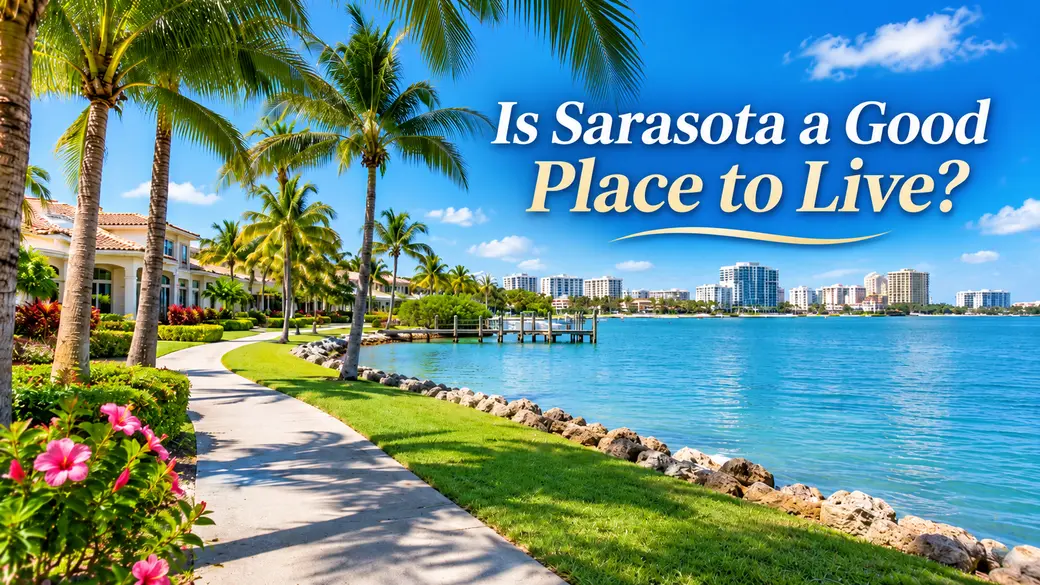
Is Sarasota a good place to live? For many people considering moving to Sarasota, Florida, the answer is yes, particularly if beach access, cultural attractions, outdoor recreation, and a relaxed coastal lifestyle align with their priorities. However, living in Sarasota also involves important trade-offs, including housing costs, seasonal traffic, summer heat, and insurance expenses. From downtown Sarasota to established inland neighborhoods and waterfront communities, the area offers different living experiences depending on location. This guide explores Sarasota's cost of living, safety, schools, employment, neighborhoods, and everyday lifestyle to help you decide whether it is the right place to call home.
Sarasota at a Glance
- Population: Sarasota had an estimated 58,458 residents as of July 1, 2025, according to the U.S. Census Bureau QuickFacts.
- Home value benchmark: The median value of owner-occupied homes was $463,000 during the 2020-2024 Census period. This represents a historical housing-value measure rather than a current median sale price.
- Household income: Median household income was $72,105 in 2024 inflation-adjusted dollars during the 2020-2024 Census period.
- Quality-of-life indicator: The city's mean commute time was 20.7 minutes during 2020-2024, although individual travel times vary by location, route, and season.
- Lifestyle draw: Sarasota combines access to Sarasota Bay, Gulf Coast beaches, outdoor recreation, dining, and cultural destinations throughout the year.
Sarasota by the Numbers
Sarasota is a relatively compact coastal city with a mix of residential communities, cultural amenities, and employment opportunities. Understanding its demographic and housing figures provides useful context for anyone researching whether Sarasota is a good place to live in 2026.
- Median owner-occupied home value: $463,000, 2020-2024 U.S. Census Bureau estimates.
- Estimated residents: 58,458 as of July 1, 2025.
- Median household income: $72,105 in 2024 inflation-adjusted dollars, 2020-2024.
- Reported citywide crime trend: Overall crime decreased by 18% in 2025, according to the Sarasota Police Department's report released in April 2026.
These figures describe the City of Sarasota rather than Sarasota County as a whole. Housing costs, neighborhood characteristics, commuting patterns, and access to amenities can differ considerably in surrounding communities. The Census figures are historical benchmarks and should not be interpreted as current 2026 home listing or sale prices.
Is Sarasota a Good Place to Live - Daily Character
Sarasota offers a coastal lifestyle with cultural attractions, established residential neighborhoods, and a generally more relaxed atmosphere than larger metropolitan areas. Downtown Sarasota, particularly around Main Street and the bayfront, features restaurants, galleries, performing arts venues, and waterfront recreation within a relatively concentrated area.
For residents, the appeal often comes from combining outdoor activities with everyday conveniences. Sarasota Bay, Bayfront Park, Marie Selby Botanical Gardens, and The Ringling provide opportunities for recreation and cultural experiences without requiring extensive travel. The Sarasota community and neighborhood overview can help prospective residents compare different housing settings and their proximity to local amenities.
Daily life also depends on the neighborhood. Downtown residences may offer convenient access to dining and cultural destinations, while inland communities can provide different housing styles, outdoor spaces, and residential environments. Waterfront locations may appeal to buyers seeking coastal views or boating access, although these properties can involve additional insurance and maintenance considerations.
Weather and seasonal population changes influence Sarasota's everyday routine. Winter and spring visitors can increase traffic and parking demand, while summer brings heat, humidity, and frequent thunderstorms. Buyers considering year-round residence should evaluate how these seasonal conditions affect their preferred activities and commuting needs.
For a more detailed look at seasonal weather, neighborhood lifestyles, and daily routines, explore the year-round experience of living in Sarasota. Understanding how the city changes throughout the seasons can help relocation buyers develop realistic expectations before purchasing a home.
Is Sarasota a Good Place to Live - Quality of Life Pros and Cons
Sarasota offers an appealing combination of outdoor recreation, cultural amenities, and coastal living. However, the pros and cons of living in Sarasota depend on your housing budget, transportation needs, weather preferences, and desired lifestyle.
Pros
- Outdoor access: Gulf Coast beaches, Sarasota Bay, waterfront parks, golf courses, boating opportunities, and walking trails allow residents to enjoy outdoor activities throughout much of the year.
- Culture close to home: Museums, performing arts venues, galleries, theaters, and community events provide entertainment and educational opportunities beyond the beach.
- Manageable local travel: Sarasota's mean commute was 20.7 minutes during the 2020-2024 Census period, although traffic and individual routes vary considerably.
- No state personal income tax: Florida does not impose a state personal income tax, which may benefit residents depending on their household finances. Additional information is available through the Florida Department of Revenue.
Cons
- Housing can be costly: Sarasota's $463,000 median owner-occupied home value during 2020-2024 illustrates the importance of comparing housing costs carefully, particularly in waterfront and high-demand locations.
- Seasonal congestion: Winter and spring visitors can increase traffic, restaurant demand, and parking challenges near beaches, downtown attractions, and popular shopping areas.
- Weather and storms: Hot summers, high humidity, heavy rainfall, and hurricane-season preparation are ongoing considerations for year-round residents.
- Car dependence: While downtown offers more walkable amenities, many Sarasota neighborhoods require a personal vehicle for grocery shopping, commuting, medical appointments, and daily errands.
How Sarasota Compares to Nearby Areas
When deciding whether Sarasota is a good place to live, comparing nearby communities can help clarify which location best fits your housing needs and preferred lifestyle. Sarasota, Bradenton, and Venice all provide access to Florida's Gulf Coast, but they differ in urban character, residential development, transportation, and proximity to everyday amenities.
Sarasota offers a relatively concentrated downtown cultural district, Sarasota Bay access, and a mix of established neighborhoods, condominiums, and waterfront properties. Residents who prioritize restaurants, performing arts, museums, and city amenities may appreciate locations closer to downtown.
Bradenton includes a combination of historic residential areas, downtown waterfront attractions, suburban communities, and access to regional employment centers. Individual neighborhoods vary in development patterns, housing types, and transportation needs.
Venice provides a smaller-city setting with established residential communities, a historic downtown area, nearby beaches, and recreational opportunities. Some buyers may prefer its neighborhood character and pace, although housing costs and travel times vary by location.
Rather than assuming one city is universally more affordable or convenient, compare individual properties based on current sale prices, insurance expenses, flood zones, association requirements, commute times, and maintenance needs. These property-specific considerations often provide more useful information than citywide averages.
Safety in Sarasota
Safety is an important consideration for people researching whether Sarasota is a good place to live. According to the Sarasota Police Department's 2025 end-of-year review, presented to the City Commission in April 2026, overall crime decreased by 18% compared with 2024. The department also reported that 2025 marked its third consecutive year of declining overall crime.
The department reported reductions across several categories, including robbery, aggravated assault, burglary, and motor vehicle theft. These figures provide citywide context, but they do not mean that every neighborhood experiences identical conditions. The Sarasota Police Department's 2025 crime report provides the official summary of these trends.
Safety considerations can vary depending on street conditions, commercial activity, lighting, traffic, parking arrangements, and the immediate surroundings of a property. Prospective residents should review available public crime information and consider visiting neighborhoods at different times of day.
For relocation planning, evaluate the practical routes you would use for work, grocery shopping, recreation, and appointments. Citywide crime trends are informative, but understanding the immediate environment around a specific property remains essential.
Schools and Family Planning in Sarasota
Sarasota County Schools serves public school students throughout much of the Sarasota area. School assignments depend on current attendance boundaries, enrollment requirements, and applicable choice programs. Families considering a move should verify school eligibility directly with the district before purchasing a home.
The region includes traditional public schools, charter schools, private institutions, and specialized educational programs. Pine View School is one recognized public option with a specialized gifted-education program, although admission is subject to eligibility and enrollment requirements.
When evaluating schools, families may consider academic programs, extracurricular opportunities, transportation arrangements, campus locations, and individual student needs. These factors can influence how a neighborhood fits into a household's daily routine.
A nearby school does not automatically guarantee enrollment or assignment. Prospective buyers should review current district information, attendance boundaries, available programs, and transportation options before making a final housing decision.
Jobs and Economy in Sarasota
Sarasota's economy includes healthcare, tourism, hospitality, education, construction, professional services, cultural organizations, and small businesses. These industries provide employment opportunities across different experience levels and professional backgrounds.
Healthcare is an important regional employment sector, with Sarasota Memorial Health Care System and other medical organizations serving residents throughout the area. Tourism and hospitality also contribute to the local economy, supporting restaurants, accommodations, retail businesses, and recreational services.
Residents may find additional employment opportunities throughout Sarasota County, Manatee County, and nearby communities. However, living farther from employment centers can increase commuting time, particularly during seasonal traffic periods.
According to FloridaCommerce, Florida's seasonally adjusted unemployment rate was 4.4% in September 2026. This is a statewide measure rather than Sarasota's local unemployment rate. For the local picture, the North Port-Bradenton-Sarasota metro area's preliminary rate was 4.7% in September 2026, not seasonally adjusted, according to the U.S. Bureau of Labor Statistics. Employment conditions vary by occupation and region, so prospective residents should review current opportunities and employer information before relocating. Statewide and regional labor statistics are available through FloridaCommerce labor market data.
Getting Around Sarasota
Sarasota is primarily car-oriented, although certain downtown neighborhoods provide greater opportunities for walking to restaurants, shops, cultural venues, and waterfront areas. The city's mean commute time of 20.7 minutes during 2020-2024 offers general context, but actual travel times depend on location, traffic, and season.
U.S. Route 41, also known as Tamiami Trail, is a major north-south roadway through Sarasota. Interstate 75 connects inland residential communities with regional employment centers and destinations farther along Florida's Gulf Coast.
Breeze Transit provides public transportation services throughout Sarasota County, including fixed-route buses, trolley services, on-demand transportation, and paratransit options. Service coverage and schedules vary by route, so residents should confirm whether available transit options support their daily needs.
Downtown residents may be able to complete some errands on foot, while households in suburban and inland communities often rely more heavily on personal vehicles. Before purchasing a property, test expected commuting routes during typical travel hours and consider access to shopping, schools, medical facilities, and recreational destinations.
Things to Do: Parks, Dining, and Local Life
One of the biggest attractions of living in Sarasota is the variety of recreational and cultural activities available throughout the year. Residents can explore waterfront parks, nature trails, museums, gardens, local markets, and entertainment destinations without traveling far from the city.
Bayfront Park offers scenic views of Sarasota Bay and walking opportunities near downtown. Payne Park provides green space, recreational facilities, and walking paths in a more central residential setting. Marie Selby Botanical Gardens features botanical collections and waterfront surroundings, while The Ringling offers art exhibitions, architecture, and historic attractions.
Downtown Sarasota's Main Street is a familiar destination for restaurants, cafes, galleries, and independent businesses. St. Armands Circle offers another dining and shopping environment near the coast, although traffic and parking can be more demanding during busy visitor periods.
Local farmers markets, waterfront events, seasonal festivals, and cultural performances create additional opportunities for residents to participate in community activities. Sarasota's combination of indoor and outdoor attractions allows households to adjust their routines based on the weather and time of year.
Pro-Tip: When comparing Sarasota homes, consider everyday convenience rather than focusing only on distance to the beach. Insurance exposure, travel routes, parking, property maintenance, and seasonal traffic can have a greater influence on your long-term living experience than a short visit might suggest.
Ready to Find Out If Sarasota Is Right for You?
Is Sarasota a good place to live? The answer depends on the lifestyle, housing budget, and everyday conveniences that matter most to you. Sarasota offers access to coastal recreation, cultural attractions, established neighborhoods, and a variety of housing options, but understanding ownership costs, seasonal conditions, and local differences is essential before making a move.
Nicholas Rapisardi is a Florida real estate broker with simpliHŌM, serving buyers and sellers throughout Sarasota and Manatee counties along Florida's Gulf Coast. Whether you are exploring downtown Sarasota, comparing established residential neighborhoods, or considering a move closer to the waterfront, Nicholas can help you evaluate housing options and practical relocation considerations.
For a more complete understanding of Sarasota's changing seasons, local activities, and residential lifestyle, explore the year-round Sarasota living guide. If you are ready to discuss your plans, contact Nicholas Rapisardi or call or text 941-735-0244 for a conversation about your preferred neighborhood, home features, and relocation priorities.
Frequently Asked Questions About Living in Sarasota
Is Sarasota a good place to live?
Sarasota can be a good place to live for people who value Gulf Coast beaches, cultural attractions, outdoor recreation, and a variety of residential neighborhoods. According to the U.S. Census Bureau, the city had an estimated population of 58,458 as of July 2025. However, the best location depends on housing affordability, transportation needs, seasonal weather preferences, and the lifestyle you want.
Is Sarasota safe to live in?
The Sarasota Police Department reported an 18% decrease in overall crime during 2025 compared with 2024, marking its third consecutive year of declining crime. This citywide trend provides useful context, but safety conditions can vary by neighborhood and property location. Prospective residents should review official incident information and evaluate the immediate surroundings of any home they are considering.
Is Sarasota expensive to live in?
Living in Sarasota can be relatively expensive, particularly in waterfront and high-demand areas. According to the U.S. Census Bureau, the median value of owner-occupied homes was $463,000 during 2020-2024. This figure is not a current 2026 median sale price. Buyers should also budget for property taxes, homeowners insurance, utilities, maintenance, and applicable HOA or condominium fees.
What are the best neighborhoods or areas in Sarasota?
The best Sarasota neighborhood depends on individual lifestyle preferences and housing priorities. Downtown Sarasota may appeal to people seeking restaurants, cultural attractions, and waterfront access, while established inland neighborhoods offer different residential environments. Buyers may also consider planned communities, golf-oriented neighborhoods, and properties near Sarasota Bay. Comparing travel times, housing costs, community regulations, and property condition can help identify a suitable location.
What is the job market like in Sarasota?
Sarasota's economy includes healthcare, tourism, hospitality, education, construction, professional services, and small businesses. Employment opportunities also extend into surrounding Sarasota and Manatee County communities. Florida's seasonally adjusted unemployment rate was 4.4% in September 2026, although this is a statewide figure rather than a Sarasota-specific rate. Job availability and commuting requirements depend on occupation, employer, and residential location.
Nicholas Rapisardi is a real estate broker for simpliHŌM, serving Manatee and Sarasota counties along Florida's Gulf Coast. More local market breakdowns are available on the Living in Sarasota | Nicholas Rapisardi YouTube channel. @livinginsarasota-lwr
Categories
Recent Posts




GET MORE INFORMATION