
Living in Sarasota: A Year-Round Guide
Thinking about making Sarasota home? Living in Sarasota means mild winters, humid summers, a waterfront-centered lifestyle, and meaningful choices between downtown convenience, established neighborhoods, and coastal communities. For anyone considering moving to Sarasota, Florida, understanding daily life beyond a vacation visit is essential. This year-round Sarasota living guide explores seasonal weather, housing costs, local communities, recreation, and everyday routines to help you decide whether the Gulf Coast lifestyle fits your priorities.
Sarasota Quick Overview
Sarasota is a Gulf Coast city known for its beaches, cultural attractions, outdoor recreation, and varied residential communities. According to the U.S. Census Bureau, the city had an estimated population of 58,458 as of July 1, 2025. Its combination of coastal amenities, healthcare services, and year-round activities makes it appealing to residents with different lifestyles and housing needs.
- Population: 58,458 residents, July 1, 2025 estimate. U.S. Census Bureau.
- Home-value context: $463,000 median value of owner-occupied homes, based on 2020-2024 estimates. This is not a current median home sale price.
- Cost considerations: Housing, homeowners insurance, property taxes, transportation, and potential HOA or condominium fees can significantly influence monthly expenses.
- Typical commute: 20.7 minutes for workers age 16 and older, based on 2020-2024 estimates.
- Lifestyle draw: Sarasota Bay, Gulf Coast beaches, public parks, cultural venues, and outdoor recreation opportunities throughout the year.
Sarasota by the Numbers
Understanding Sarasota's population, housing values, and household income provides useful context for anyone researching the cost of living in Sarasota, Florida. The following figures come from the U.S. Census Bureau and represent the City of Sarasota rather than the broader metropolitan area.
- Median owner-occupied home value: $463,000, 2020-2024.
- Population: 58,458 residents, July 1, 2025 estimate.
- Median household income: $72,105 in 2024 inflation-adjusted dollars, 2020-2024.
- Mean commute: 20.7 minutes for workers age 16 and older, 2020-2024.
These figures offer historical and demographic context, not a snapshot of current listing prices or market conditions in 2026. Home prices, insurance costs, and property-specific expenses should be evaluated separately when planning a move.
Living in Sarasota: What It's Really Like
Living in Sarasota, Florida, combines a relaxed coastal atmosphere with the conveniences of an established city. Residents include retirees, working professionals, families, healthcare workers, remote employees, and seasonal homeowners. While Sarasota is often associated with beaches and retirement living, its daily lifestyle also includes employment centers, local businesses, neighborhood events, and cultural activities.
Downtown Sarasota serves as a central destination for dining, shopping, arts, and entertainment. Main Street features restaurants and independent businesses, while Bayfront Park and The Bay provide opportunities for waterfront walks and community activities. Sarasota Memorial Health Care System also contributes to the region's healthcare access and employment opportunities.
One advantage of living in Sarasota year-round is the ability to enjoy coastal recreation throughout much of the calendar. Residents can visit nearby beaches, explore nature trails, attend performances, or enjoy waterfront dining without planning an extended vacation.
However, daily life also involves practical considerations. Summer humidity can limit comfortable outdoor activity during midday, seasonal visitors can increase traffic, and many residential communities require a vehicle for routine errands. Buyers who prioritize walkability may prefer downtown Sarasota, while those seeking larger properties, community amenities, or newer construction may explore surrounding neighborhoods.
For an additional local perspective, watch Nicholas Rapisardi's YouTube video, I've Lived in Sarasota for 17 Years... My Honest Thoughts. The video offers a firsthand perspective for people researching living in Sarasota, Florida, the Sarasota relocation experience, and what to consider before making the move to the Gulf Coast.
Spring in Sarasota
Spring is one of the most comfortable seasons for outdoor activities in Sarasota. Temperatures gradually increase from March through May, while humidity is generally more manageable than during the summer months. According to the National Weather Service's 1991-2020 climate normals for Sarasota-Bradenton, average daily highs rise from 78.2°F in March to 87.5°F in May, while average lows range from 58.1°F to 68.2°F. These long-term averages are available through the National Weather Service climate records.
Spring is an excellent time to explore Marie Selby Botanical Gardens, ride along the Legacy Trail, walk through The Bay, or enjoy Siesta Key before the strongest afternoon heat arrives. The Sarasota Film Festival also contributes to the city's spring cultural calendar, although event schedules should be checked annually.
For residents considering relocation, spring provides an opportunity to experience Sarasota's outdoor lifestyle while observing how visitor activity affects dining, beach access, and traffic in popular neighborhoods.
Insider tip: Spring weekends can bring higher demand for restaurants, cultural performances, and coastal parking. Planning reservations and beach visits ahead of time can make outings more convenient.
Summer in Sarasota
Summer in Sarasota brings hot temperatures, high humidity, frequent afternoon thunderstorms, and longer daylight hours. Based on National Weather Service 1991-2020 climate normals, average daily highs increase from 90.0°F in June to 91.5°F in August, while overnight lows generally remain in the 70s.
Many year-round residents adjust their routines by scheduling outdoor exercise, kayaking, beach walks, and gardening during the morning hours. Indoor attractions, museums, theaters, and community facilities provide alternatives during the hottest part of the day.
Popular summer activities include exploring Sarasota Bay, walking through Bobby Jones Nature Park, visiting local museums, and enjoying swimming pools or shaded recreation areas. July Fourth celebrations and waterfront events may also be part of the seasonal calendar, depending on annual schedules.
Summer is also part of Florida's Atlantic hurricane season, which runs from June 1 through November 30. Anyone planning to live in Sarasota should understand property insurance coverage, evacuation zones, flood risks, and household emergency preparation. These considerations are especially important for coastal homes, waterfront properties, and low-lying neighborhoods.
When comparing Sarasota properties, buyers can benefit from understanding how insurance requirements, property disclosures, and ownership regulations affect a purchase. The article on important Florida real estate rules for Sarasota buyers and homeowners provides additional context for evaluating a property before making a long-term commitment.
Insider tip: Plan outdoor activities early in the day, monitor local weather forecasts, and prepare for sudden afternoon thunderstorms. Reviewing flood zones and evacuation information before purchasing a property is also a practical part of Sarasota homeownership.
Fall in Sarasota
Fall gradually brings more comfortable temperatures to Sarasota, although September often continues to feel like summer. National Weather Service climate normals show average highs decreasing from 90.2°F in September to 80.0°F in November, while average lows decline from 74.1°F to 60.1°F.
As humidity begins to decrease, residents often spend more time walking along Sarasota Bay, cycling the Legacy Trail, exploring downtown galleries, and visiting outdoor gathering spaces. Fall can also provide an opportunity to enjoy coastal recreation before the busiest winter visitor period.
The Siesta Key Crystal Classic sand sculpting event, typically held in November, is one of the area's recognizable seasonal attractions. Community festivals, cultural performances, and local markets also contribute to Sarasota's fall activities.
For prospective buyers, fall can be a useful time to explore different Sarasota neighborhoods and compare their everyday atmosphere. Visiting during more than one season helps reveal differences in traffic, outdoor comfort, and community activity.
Insider tip: November often offers a comfortable balance of warm days and lower humidity. However, hurricane season officially continues through November 30, so weather awareness remains important.
Winter in Sarasota
Winter is one of Sarasota's most appealing seasons for residents who prefer mild temperatures and outdoor recreation. Based on National Weather Service 1991-2020 climate normals, average daily highs range from 72.5°F in January to 74.9°F in February, while average lows range from 52.3°F to 54.6°F.
Winter activities include visiting St. Armands Circle, exploring The Ringling, walking through Bayfront Park, and attending performances throughout downtown Sarasota. The Sarasota Holiday Boat Parade of Lights is another familiar seasonal tradition, with event details varying by year.
While temperatures are generally mild, occasional cold fronts can bring cooler mornings and evenings. Residents may need light jackets or warmer clothing during these periods, especially for waterfront activities.
Winter also coincides with Sarasota's busy visitor season. Seasonal residents and vacation travelers can increase demand for restaurants, events, parking, and certain services. Traffic may be more noticeable along major routes and near coastal destinations.
Insider tip: If you're thinking about moving to Sarasota permanently, visit during winter and summer. Experiencing both seasons provides a more realistic understanding of the area's weather, seasonal traffic, and year-round lifestyle.
Cost of Living: Sarasota vs Nearby Areas
The cost of living in Sarasota depends heavily on housing location, property type, insurance expenses, transportation needs, and lifestyle preferences. Downtown condos, waterfront homes, established inland neighborhoods, and planned communities can have substantially different ownership costs.
The comparison below uses U.S. Census Bureau American Community Survey 2020-2024 estimates. Median owner-occupied home value is not the same as a current median sale price, and median gross rent includes rental units of different sizes. These figures are intended for geographic comparison rather than as current 2026 listing or rental prices.
| Cost consideration | Sarasota | Bradenton | Venice | United States |
|---|---|---|---|---|
| Median owner-occupied home value | $463,000 | $309,400 | $434,700 | $332,700 |
| Median gross rent, all unit sizes | $1,684 | $1,618 | $1,606 | $1,413 |
| Median household income | $72,105 | $60,822 | $76,755 | $80,734 |
| Property-tax planning | Taxable value, exemptions, and millage matter | Taxable value, exemptions, and millage matter | Taxable value, exemptions, and millage matter | Tax systems vary by location |
| Cost-of-living planning | Housing, insurance, and transportation are key variables | Similar regional cost pressures | Similar regional cost pressures | Costs vary by metro |
These comparisons show why Sarasota relocation decisions should consider more than a property's asking price. Monthly housing expenses may include mortgage payments, insurance premiums, property taxes, maintenance, utilities, and association fees where applicable.
For additional geographic comparisons, review the U.S. Census Bureau profiles for Bradenton and Venice. Buyers can also explore different property types and locations through the Sarasota real estate and community guide.
Neighborhoods and Communities in Sarasota
Choosing where to live in Sarasota involves balancing housing preferences, commute times, neighborhood character, amenities, and proximity to the water. The City of Sarasota's $463,000 median owner-occupied home value provides broad historical context, but it does not represent current home prices in every Sarasota-area neighborhood.
Downtown Sarasota offers condominiums, townhomes, historic residences, and mixed-use developments close to dining, shopping, entertainment, and waterfront recreation. Residents who prioritize walkability and access to cultural attractions often consider downtown living. Properties near Sarasota Bay or popular commercial corridors may carry higher ownership costs, including condominium assessments and association fees.
Palmer Ranch is a master-planned area in unincorporated Sarasota County rather than within the City of Sarasota. It includes single-family homes, villas, condominiums, and communities with various recreational amenities. The area provides access to the Legacy Trail and may appeal to buyers seeking residential settings with established infrastructure and a range of housing choices.
Gulf Gate is another Sarasota-area community located in unincorporated Sarasota County. Known for its established residential streets and proximity to local businesses, Gulf Gate includes older single-family homes, condominiums, and a variety of nearby conveniences. Buyers may consider the area for its location relative to Siesta Key, shopping, and central Sarasota destinations.
Southside Village and West of Trail feature established residential neighborhoods with a combination of older homes, renovated properties, and higher-priced residences in selected locations. Their proximity to Sarasota Memorial Hospital, downtown amenities, restaurants, and cultural destinations makes them worth exploring for buyers who value an established community atmosphere.
Before choosing a neighborhood, consider visiting at different times of day and comparing everyday travel routes, home maintenance needs, community restrictions, and potential insurance expenses. Buyers can begin researching available housing through the Sarasota neighborhood and homes guide.
Pro-Tip: Sarasota's winter and early-spring visitor season can change traffic patterns and neighborhood activity. Exploring communities during both busy and quieter periods provides a clearer picture of year-round living. When evaluating a property, compare total ownership costs, flood exposure, and association requirements rather than focusing only on the listing price.
Living in Sarasota: Ready to Make Sarasota Home?
Living in Sarasota offers a variety of possibilities, from downtown condos and established residential neighborhoods to waterfront homes and nearby planned communities. Understanding the differences in location, seasonal conditions, housing costs, and property requirements can help you make a more informed relocation decision.
Nicholas Rapisardi, a Florida-licensed broker/Realtor with simpliHŌM, brings local experience to buyers and sellers throughout Sarasota and the surrounding Gulf Coast communities. Whether you're comparing neighborhoods, exploring Sarasota homes for sale, or evaluating the financial considerations of relocating, Nicholas can help you understand your options and approach the process with greater confidence.
For a closer look at the local lifestyle, watch Nicholas's personal insights from 17 years of living in Sarasota, where he shares his perspective on the area and its everyday appeal. If you're ready to discuss your Sarasota relocation plans, connect with Nicholas Rapisardi for guidance tailored to your preferred location, budget, and lifestyle.
Frequently Asked Questions About Living in Sarasota
Is Sarasota a good place to live?
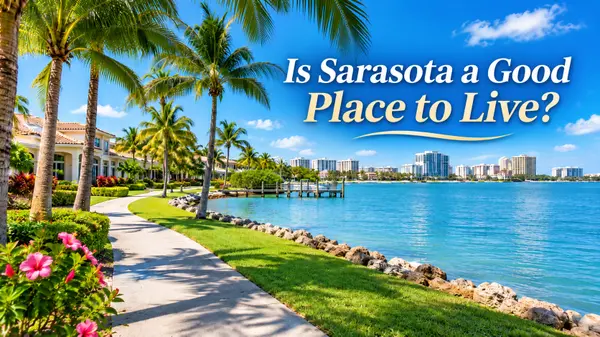
Sarasota can be a good place to live for people who value coastal recreation, cultural attractions, healthcare access, and a variety of residential environments. However, prospective residents should also consider summer humidity, hurricane preparedness, seasonal traffic, insurance expenses, and neighborhood-specific housing costs before relocating.
How expensive is it to live in Sarasota?
Housing is often one of the largest expenses associated with living in Sarasota. According to U.S. Census Bureau 2020-2024 estimates, the city's median owner-occupied home value was $463,000, median gross rent was $1,684, and median household income was $72,105. These are historical estimates rather than current 2026 home sale or rental prices. Actual living expenses vary depending on housing type, insurance, taxes, transportation, and maintenance.
What are the summers and winters like in Sarasota?
Sarasota experiences hot, humid summers and generally mild winters. National Weather Service 1991-2020 climate normals indicate average daily highs of approximately 90.0°F to 91.5°F from June through August. January and February highs generally range from 72.5°F to 74.9°F. Summer also brings frequent thunderstorms, while winter offers more comfortable conditions for many outdoor activities.
What neighborhoods in Sarasota are best for families?
Families considering Sarasota often compare areas such as Palmer Ranch, Gulf Gate, and established central neighborhoods based on housing needs, budgets, school preferences, recreation, and commuting requirements. Rather than selecting a neighborhood based on a general ranking, buyers should research individual properties, verify school assignments directly with the district, and consider how each location supports their daily routine.
Is Sarasota growing, and what is driving that growth?
The City of Sarasota had an estimated population of 58,458 as of July 1, 2025, representing a 6.6% increase from the April 2020 population estimates base, according to the U.S. Census Bureau. Sarasota's healthcare sector, cultural amenities, coastal lifestyle, tourism economy, and regional housing opportunities contribute to its appeal. However, population changes and real estate conditions vary across the City of Sarasota and surrounding communities.
Nicholas Rapisardi is a real estate broker for simpliHŌM, serving Manatee and Sarasota counties along Florida's Gulf Coast. More local market breakdowns are available on the Living in Sarasota | Nicholas Rapisardi YouTube channel. @livinginsarasota-lwr
Categories
Recent Posts




GET MORE INFORMATION