

2026 Florida Real Estate Laws: What Sarasota Homeowners and Buyers Need to Know
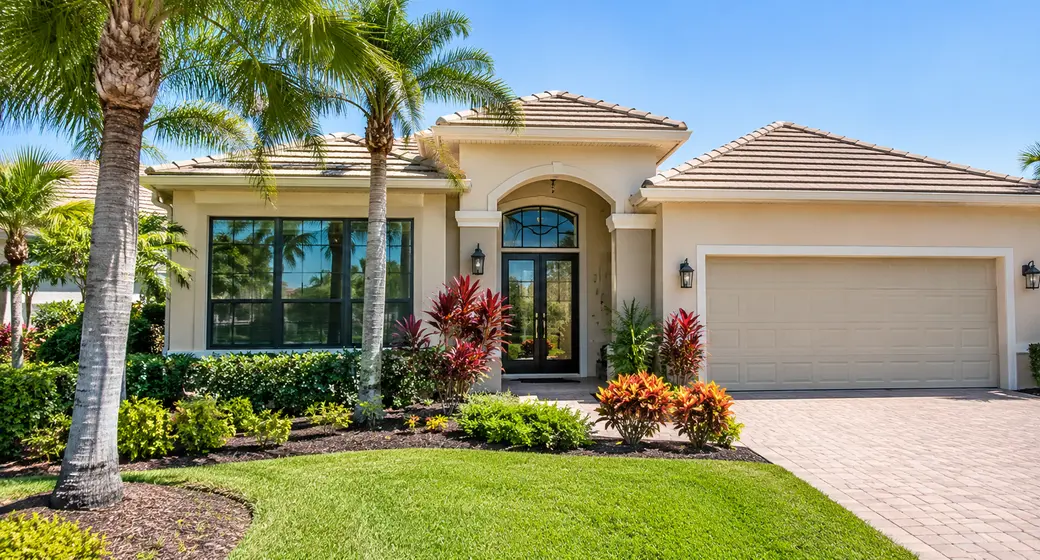
The 2026 Florida real estate laws bring several changes that Sarasota homeowners and prospective buyers should understand. From hurricane protection incentives and home renovation permits to HOA approvals, rental fraud protections, and homeowners insurance, these updates may influence property expenses and ownership decisions.
For residents of Sarasota, Lakewood Ranch, and surrounding Gulf Coast communities, the biggest question is how these changes apply to individual properties. Nicholas Rapisardi, a Sarasota-area real estate broker who has lived along Florida's Gulf Coast since 2009, shares local insights to help homeowners and buyers better understand these developments.
Florida's 2026 Impact Window Sales Tax Refund: Who Qualifies?
Florida homeowners planning hurricane protection upgrades may qualify for a new sales tax refund on eligible impact-resistant windows, exterior doors, and garage doors.
Under Florida Statutes Section 212.08(21), qualifying homeowners can receive a refund of sales tax paid on eligible products, up to $500 per property. The purchase period runs from July 1, 2026, through June 30, 2029.
To qualify for the Florida impact window sales tax refund, the property generally must:
- Have an approved Florida homestead exemption.
- Have a county property appraiser's just value of $700,000 or less.
- Contain a qualifying site-built dwelling.
- Have eligible impact-resistant products installed.
The Florida Department of Revenue has confirmed that individually owned condo units can qualify. Mobile homes, manufactured homes, and trailers do not.
This is a refund rather than an automatic discount at checkout. Homeowners must submit the required application and documentation to the Florida Department of Revenue. Applications must be submitted by September 30, 2029.
Homeowners can check property valuation records through the Sarasota County Property Appraiser.
Qualifying improvements may also support homeowners insurance wind mitigation discounts when properly documented, although actual savings depend on the property's features and insurance policy.
Florida Home Renovation Permit Rules: What Sarasota Homeowners Should Know
Florida's 2026 home renovation permit rules introduce an exemption intended to simplify certain smaller residential improvement projects.
Effective July 1, 2026, House Bill 803 requires local governments to exempt qualifying work valued at $7,500 or less on single-family residential properties from building permit requirements, subject to statutory limitations.
Projects potentially covered by the exemption include certain cosmetic improvements involving flooring, cabinetry, and other work that does not involve excluded building systems.
However, the exemption does not apply to electrical, plumbing, structural, mechanical, or gas work. It also does not apply to properties located in designated flood hazard areas.
Sarasota County building permit requirements include local procedures for determining whether a project qualifies. Homeowners should consult the Sarasota County Building Division before starting renovations.
This distinction is particularly important for coastal properties in areas such as Siesta Key and Longboat Key, where flood-related restrictions may apply.
Some Lakewood Ranch properties fall within Manatee County, where owners should verify the applicable permitting procedures separately.
Keeping renovation contracts, exemption documentation, and completed work records can also help during future property sales and insurance reviews.
Florida HOA Approval Rules for Home Improvements in 2026
Florida's 2026 HOA approval rules address a common frustration for homeowners planning renovations that require both community association approval and a government building permit.
Under the updated Florida Statutes Section 720.3035, effective July 1, 2026, homeowners associations and architectural review committees cannot require an issued government building permit before reviewing proposed improvements.
This means an HOA cannot refuse to review an application solely because the homeowner has not yet obtained the required permit.
However, the law does not eliminate architectural restrictions or community design standards. HOAs may still review exterior colors, materials, landscaping, and other improvements covered by their governing documents.
This change may be particularly relevant in HOA-managed communities throughout Lakewood Ranch and Palmer Ranch, where homeowners frequently need architectural approval before making exterior modifications.
Before beginning a project, homeowners should review their HOA documents, submit the necessary architectural application, and confirm whether government permits remain required.
HOA approval and building code compliance remain separate responsibilities, even when the application process becomes more straightforward.
Florida Rental Fraud and Squatter Laws: What Property Owners Need to Know
Florida introduced additional protections in 2026 addressing fraudulent entry into residential rental properties.
Effective October 1, 2026, House Bill 1293 established the offense of fraudulent entry of a residential dwelling unit under Florida Statutes Section 817.537.
The law addresses individuals who knowingly obtain possession of a rental property through certain fraudulent actions, including:
- Providing materially false written identity information in a rental application.
- Submitting forged or counterfeit identification or financial documents.
- Impersonating another person to obtain a rental agreement or possession.
Violations constitute a third-degree felony under Florida law.
The updated landlord-tenant provisions also allow qualifying fraudulent entry to support a seven-day termination notice without an opportunity to cure the violation.
Importantly, this does not authorize property owners to remove occupants immediately without following applicable legal procedures. If an occupant refuses to leave, judicial eviction proceedings may still be necessary.
For Sarasota rental property owners, these Florida property owner protections reinforce the importance of verifying applicant identities, reviewing financial documentation, and maintaining consistent screening procedures.
Fraudulent rental entry should also be distinguished from unauthorized occupation of a property where no legitimate rental agreement exists.
Citizens Homeowners Insurance Changes in Florida for 2026
Florida homeowners insurance costs remain an important consideration for buyers and current property owners, particularly in coastal communities exposed to hurricane risks.
For 2026, the Florida Office of Insurance Regulation approved rate changes for Citizens Property Insurance Corporation, the state's property insurer of last resort.
According to Citizens Property Insurance Corporation, homeowners multiperil policies received an average statewide rate decrease of 8.8%, while homeowners wind-only policies received an average decrease of approximately 5.1% under its July 2026 rate update.
The changes apply to qualifying new policies effective July 1, 2026, and existing policies as they renew.
However, the statewide averages do not represent the exact adjustment for every homeowner. Individual premiums depend on policy type, location, insured property characteristics, coverage selections, and applicable rating rules.
Another important consideration is flood insurance.
Under Citizens' phased requirements, most eligible residential policies that include wind coverage must maintain separate flood insurance by January 1, 2027, regardless of whether the property is located in a designated high-risk flood zone.
Specified exceptions include condominium unit-owner policies, tenant contents policies, and policies without wind coverage.
Because standard homeowners insurance typically excludes flooding, Sarasota property owners should review both wind and flood coverage when calculating their total insurance expenses.
How Florida's 2026 Property Laws Affect Sarasota and Lakewood Ranch Homeowners
Understanding Sarasota homeowner laws in 2026 requires more than reviewing statewide legislation. The property itself often determines which benefits, restrictions, and requirements apply.
For example, a primary residence in mainland Sarasota may meet the homestead and valuation requirements for the impact window refund, while a second home without a Florida homestead exemption would not qualify.
Likewise, a property in a designated flood hazard area may face different renovation requirements from a similar home outside that area.
Location also matters. Sarasota County, Manatee County, and incorporated municipalities may administer permits through different departments.
Homes in Siesta Key, Longboat Key, Lakewood Ranch, and Palmer Ranch may also have different HOA restrictions and insurance considerations.
Before making financial decisions, homeowners should verify their property's jurisdiction, official valuation, flood designation, insurance coverage, and applicable community rules.
2026 Florida Property Law Changes at a Glance
| 2026 Law or Rule | Who May Be Affected | What to Verify |
|---|---|---|
| Impact Window Sales Tax Refund | Qualifying Florida homestead owners | Just value, eligible products, receipts, and refund requirements |
| Renovation Permit Exemptions | Owners planning qualifying small residential projects | Project value, work type, flood zone, and local procedures |
| HOA Approval Procedures | Homeowners in communities with architectural review | Governing documents, approval requirements, and government permits |
| Rental Fraud Protections | Residential landlords and rental property owners | Applicant documentation, qualifying violations, and legal procedures |
| Citizens Insurance Changes | Citizens policyholders and prospective buyers | Individual premiums, renewal dates, and flood insurance requirements |
What Sarasota Homebuyers Should Check Before Purchasing a Home
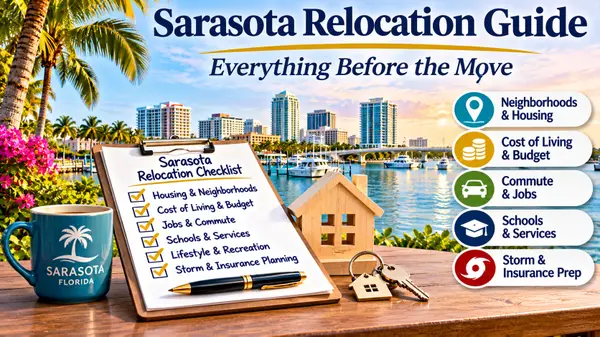
Buying a home in Sarasota, Florida, involves evaluating more than the purchase price and monthly mortgage payment. For those planning a move to the area, understanding local neighborhoods, lifestyle considerations, and property ownership requirements is equally important. Our guide to relocating to Sarasota offers additional insights to help prospective residents prepare for their move.
Prospective buyers should understand how current property laws, insurance requirements, community restrictions, and local conditions could influence long-term ownership expenses.
Before purchasing, consider reviewing:
- Flood zone designation: Confirm whether the property is located in a FEMA-designated flood hazard area and review applicable insurance considerations.
- Homestead eligibility: Determine whether the property may qualify as a Florida primary residence under applicable rules.
- Insurance coverage: Request property-specific homeowners and flood insurance quotes.
- HOA restrictions: Review architectural rules, association fees, and relevant community documents.
- Permitted improvements: Check existing permits and documentation for significant property modifications.
- Ownership expenses: Consider property taxes, insurance, association fees, and expected maintenance.
Buyers considering Lakewood Ranch should also verify whether the property falls within Sarasota County or Manatee County.
These property-specific checks can help buyers understand their responsibilities before completing a purchase.
Pro Tip: Verify Your Property's Flood Zone and Homestead Status
Pro Tip: Before relying on potential tax benefits, renovation exemptions, or insurance estimates, confirm your property's flood zone and homestead status through official records. The FEMA Flood Map Service Center provides flood hazard information, while the county property appraiser maintains valuation and exemption records. A property's location, ownership status, and characteristics can determine whether particular Florida requirements or benefits apply.
Get Local Sarasota Real Estate Guidance From Nicholas Rapisardi
Florida's 2026 property law changes highlight why understanding local conditions matters when buying or owning a home.
Nicholas Rapisardi is a Sarasota-area real estate broker who has lived along Florida's Gulf Coast since 2009. His experience with Sarasota, Lakewood Ranch, and surrounding communities provides a local perspective on property considerations that buyers and homeowners regularly encounter.
Whether you're comparing neighborhoods, reviewing flood zones, or evaluating potential ownership expenses, understanding the details can help you make informed decisions.
For questions about a Sarasota-area property, you can contact Nicholas Rapisardi directly to discuss your real estate goals.
You can also watch Nicholas's original YouTube discussion for additional context on these Florida homeowner updates.
Frequently Asked Questions About Florida's 2026 Real Estate Laws
What new Florida laws affect homeowners in 2026?
Several 2026 changes address hurricane protection tax refunds, residential renovation permits, HOA architectural reviews, and rental fraud. Citizens also implemented approved insurance rate changes. The impact depends on individual property characteristics and eligibility requirements.
Can Florida homeowners receive a refund for impact windows?
Yes. Eligible Florida homeowners may receive up to $500 in sales tax refunds for qualifying impact-resistant windows and doors purchased during the statutory period. Homestead status, property valuation, installation, and documentation requirements apply.
Do Sarasota homeowners need permits for minor renovations?
Not always. Certain qualifying single-family home improvements valued at $7,500 or less may be exempt. However, structural and specified building system work remains excluded, and properties in flood hazard areas are not covered by this exemption.
Have Florida HOA approval rules changed in 2026?
Yes. Effective July 1, 2026, qualifying homeowners associations cannot require an issued building permit before reviewing a homeowner's improvement plans. Community architectural standards and applicable government permitting requirements may still apply.
How do Florida insurance changes affect Sarasota homeowners?
Citizens approved statewide average rate decreases for certain homeowners policies in 2026. Individual premiums vary, and expanding flood insurance requirements may affect total costs. Homeowners should review their specific policy and renewal information.
Nicholas Rapisardi is a real estate broker for simpliHŌM, serving Manatee and Sarasota counties along Florida's Gulf Coast. More local market breakdowns are available on the Living in Sarasota | Nicholas Rapisardi YouTube channel. @livinginsarasota-lwr
Categories
Recent Posts





GET MORE INFORMATION